Updated
Asset and Inventory Tracker: The Difference, and Whether You Need Both
An asset tracker and an inventory tracker sound like the same thing and are not. An asset tracker follows individual, long-lived items by identity and location: this specific drill, that trailer, that laptop, where it is and who has it. An inventory tracker counts interchangeable stock by quantity: how many boxes of screws, how many rolls of cable, not where each one sits. Fixed assets are depreciated and tracked one by one; inventory is consumed and counted in aggregate. Pick the wrong kind of tool and you end up counting things you should be locating, or locating things you should just be counting.
Updated July 2026. This page is about the distinction and how to cover both. For a ranked comparison of platforms, see best asset tracking software; for how to build the whole system, see asset tracking system.
Assets vs Inventory, Side by Side
| Fixed assets | Inventory | |
|---|---|---|
| What it is | Reusable, long-lived items | Consumable stock |
| Examples | Tools, trailers, laptops, machines | Screws, cable, filters, PPE |
| Tracked by | Identity and location (which one, where) | Quantity (how many left) |
| Accounting | Depreciated over years | Expensed as consumed |
| The question | Where is unit #47 right now? | Do we have enough to reorder? |
| Right technology | Passive location tag (Find My, GPS) | Barcode or QR count |
The reason this matters: the two failure modes are different. An asset fails you by disappearing (stolen, borrowed, loaded on the wrong truck). Inventory fails you by running out or being over-ordered. A location tag solves the first; a count solves the second. One tool rarely does both well, which is why "asset and inventory" software usually leans hard toward one side.
Why the Asset Side Drifts (and the Inventory Side Usually Does Not)
Here is the fact most vendors skip: on a typical fixed-asset register, 12 to 35 percent of the listed assets do not physically exist. They were transferred, sold, scrapped, or stolen and nobody removed them. These ghost assets are a top audit finding and a direct cause of financial misstatements.
The root cause is the scan. A register is only as current as its last scan, and when scanning an asset before moving it adds about 30 seconds to a task, field staff skip it. User abandonment is the single most common reason an asset-tracking rollout dies. Inventory counts survive better because stock sits still and gets counted at fixed points (receiving, a cycle count); a forklift does not scan itself out the gate at 2am.
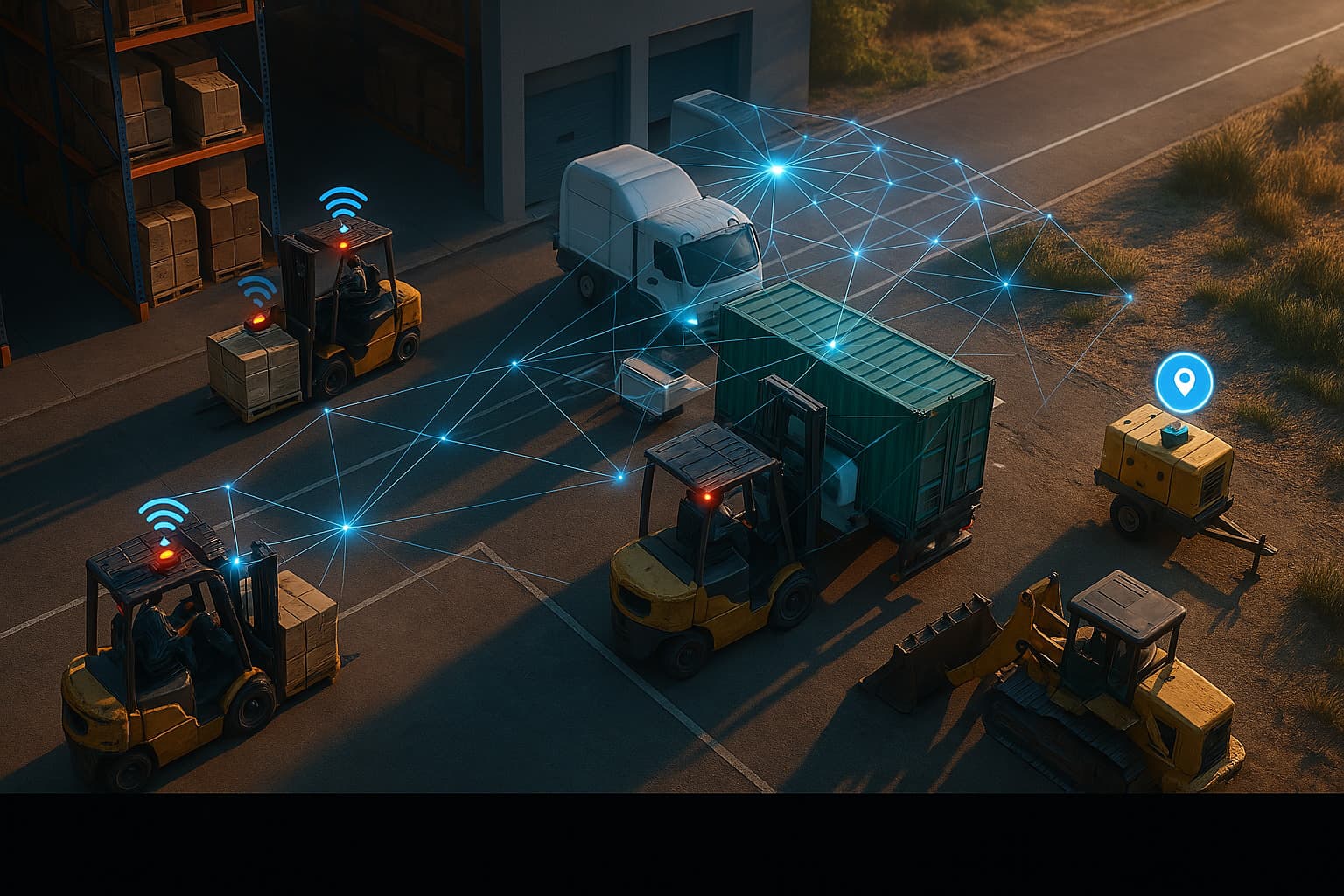
The fix on the asset side is to stop relying on a human to report location. A passive tag that updates on its own keeps the asset register honest, because the network moves the pin, not a person.
How to Track Both Without One Bad Compromise
Run them as two jobs on one dashboard, not one job:
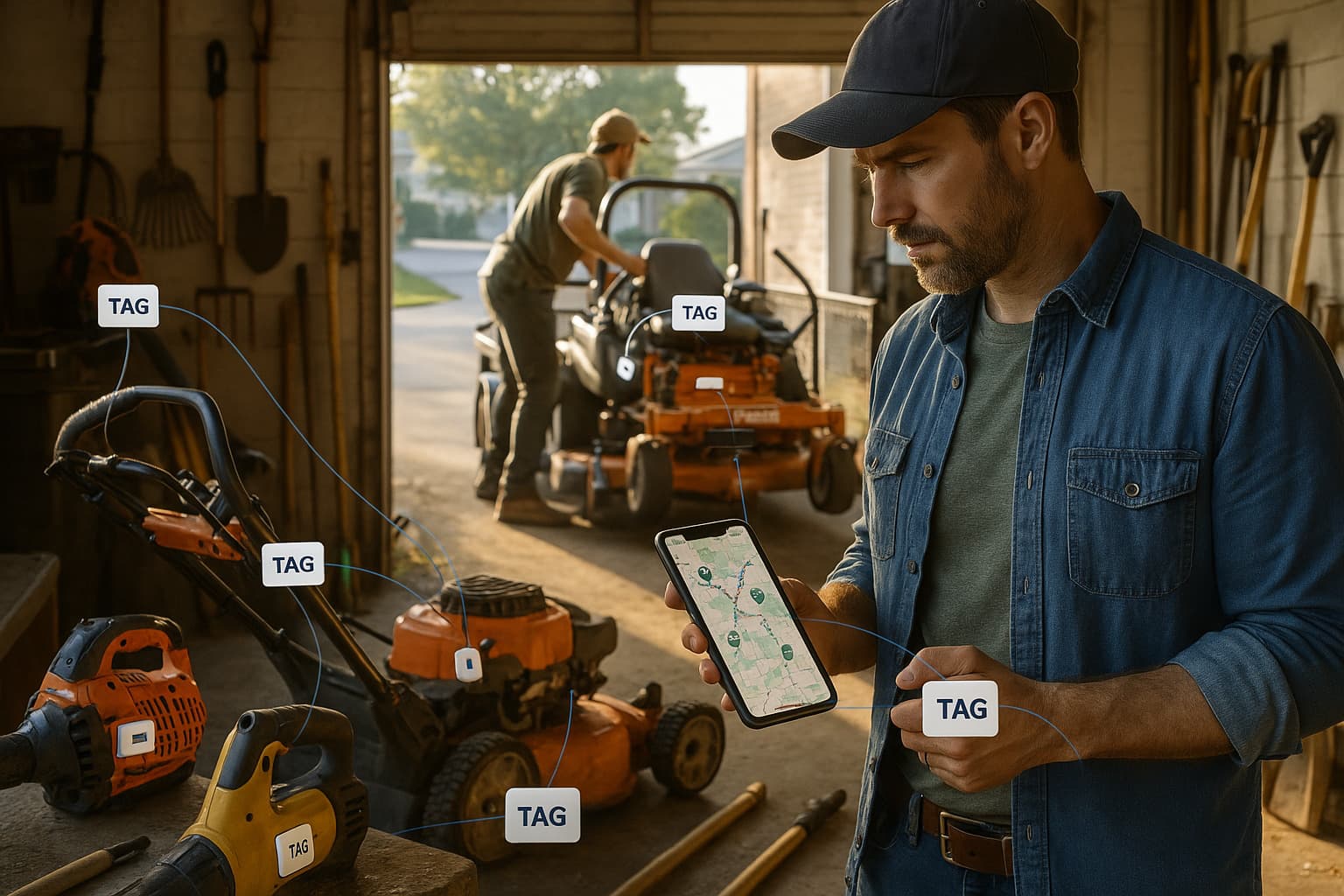
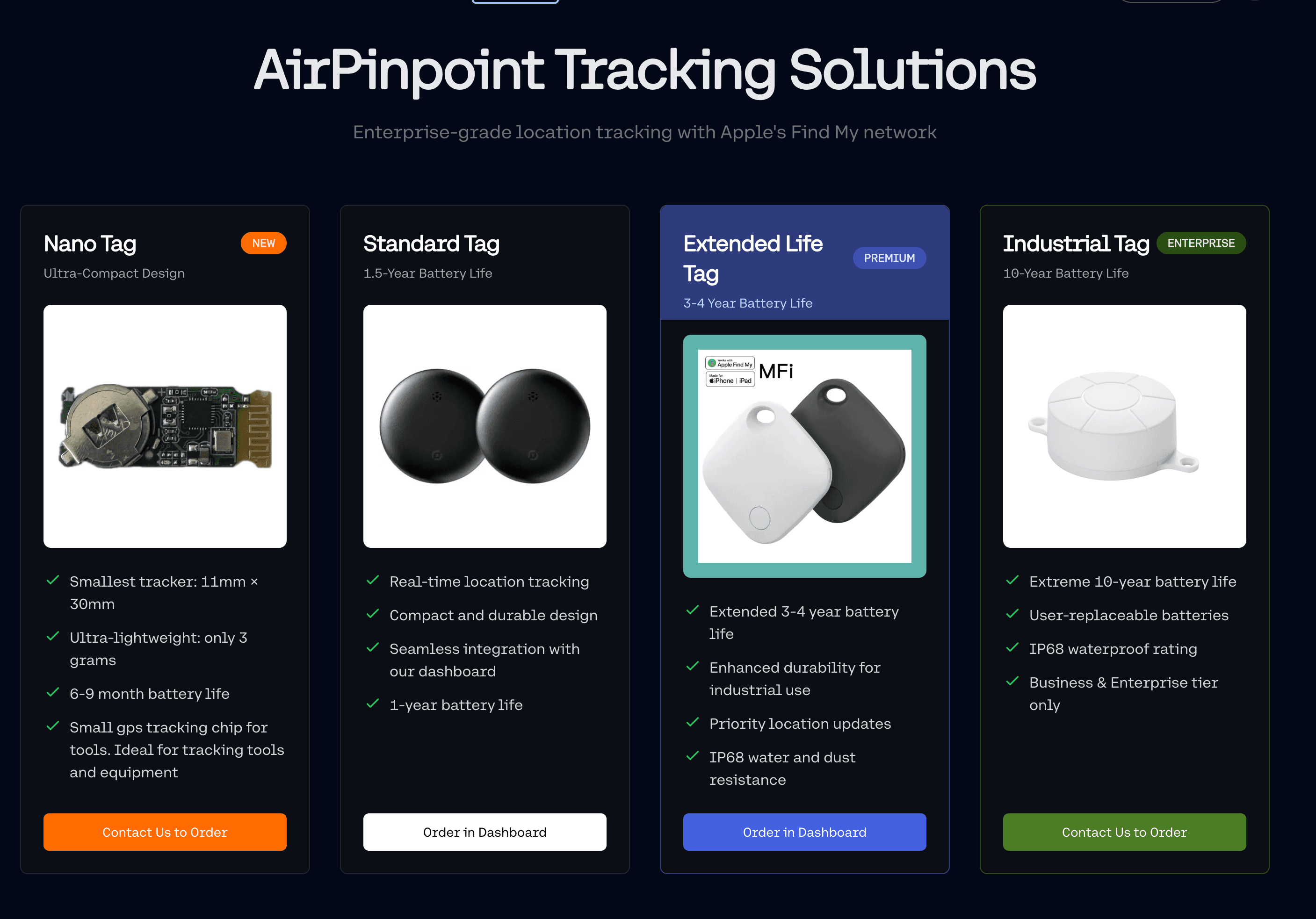
- Fixed assets: track by live location. Put a tag on each reusable item worth more than the tag. Apple Find My tags cost about $29 once, carry no SIM, and report through the billion-plus Apple devices already in the world, refreshing every 1 to 5 minutes in populated areas. Airpinpoint manages these at $11.99 per tag per month, shards past Apple's 32-item-per-ID cap (AirPods Pro eat three of those slots each, since the case and both buds count separately), and fires a PostGIS geofence alert by email or webhook the moment a tagged asset leaves a site.
- Consumable inventory: count by quantity. Keep a barcode or QR register (AssetTiger is free to 250 items; Sortly is quick for field crews) for stock that does not move on its own. You do not need a location tag on a box of screws; you need an accurate count and a reorder point.
- Reconcile with location, not a clipboard. With live location on the asset side, the audit becomes a filter: anything that has not reported, or has left its zone, surfaces on its own instead of waiting for someone to walk the yard.
Across the 5,900-plus business tags Airpinpoint manages, the fetch pipeline pulls thousands of Find My locations an hour, so the asset side of your register stays current without anyone scanning anything.
When You Genuinely Need RFID (and When You Do Not)
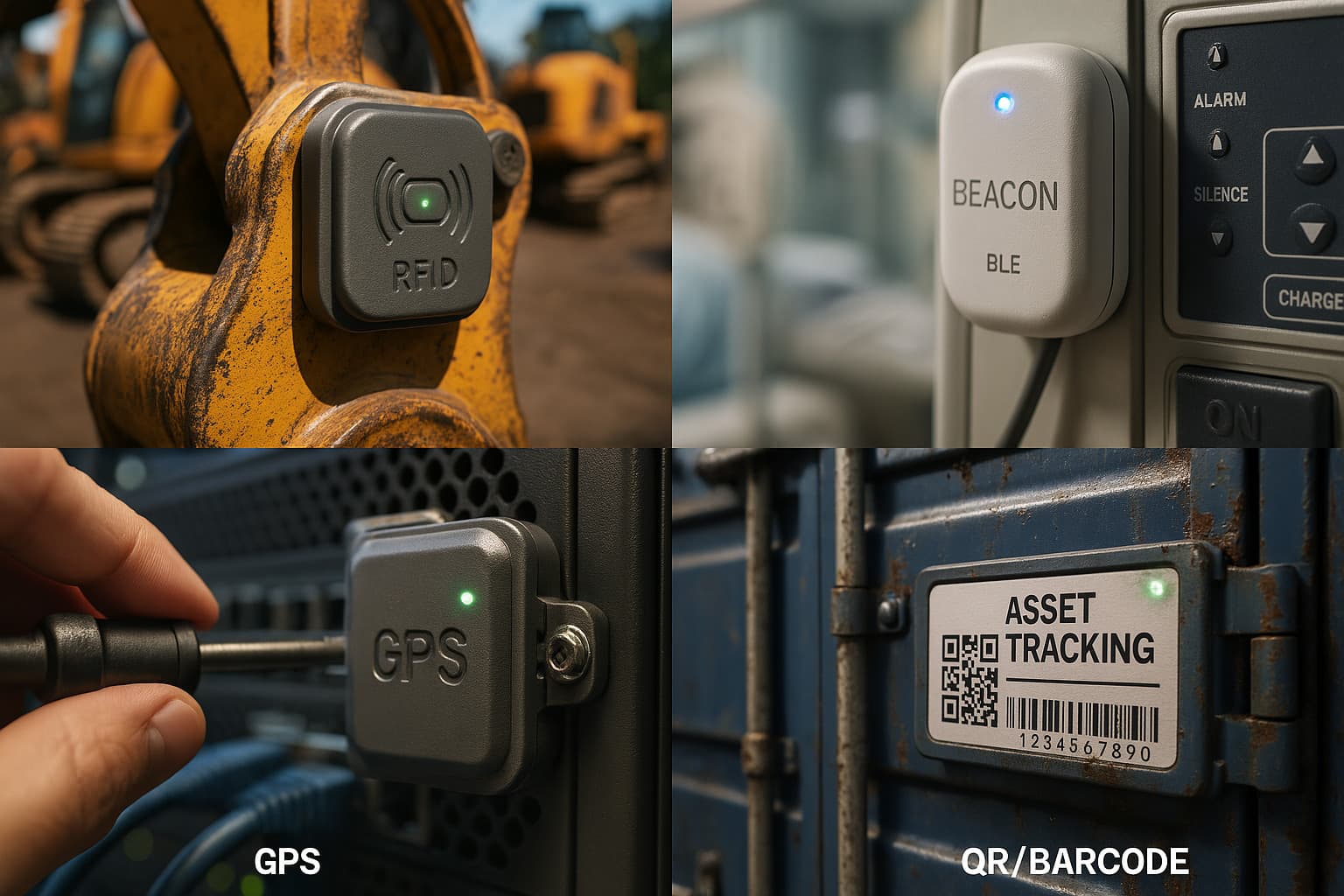
Teams reach for RFID hoping it tracks both, but passive RFID is choke-point counting: no battery, reports only when a fixed reader energizes it at 1 to 10 meters. It is excellent at a controlled doorway (count everything that passes gate 3) and useless as a live locator across an open site. It is also expensive: a single fixed reader runs $1,000 to $4,000, before antennas, installation, and $15,000 to $50,000 a year of real-time software, and without middleware its data accuracy often runs under 75 percent. If your inventory flows through fixed gates, RFID earns its cost. For locating individual assets that move freely, a $29 Find My tag does the job with no fixed infrastructure at all.
Where to Go Next
- Best asset tracking software: the platforms ranked, with a real pricing matrix.
- Asset tracking system: how to build the whole system, and the RFID vs BLE vs Find My decision.
- Asset tracking tags: the physical tags for the asset side, and which to use where.
- Warehouse inventory management guide: the inventory-count side in depth.
 Our Solution